Get Sinkhole Filling
Sinkhole filling services help property owners address ground collapses and stabilize land caused by sinkholes, typically involving excavation, debris removal, and soil stabilization by local contractors.
If your property has developed a sinkhole or shows signs of ground instability, it’s important to explore reliable solutions to restore safety and stability. Sinkhole filling services are a practical consideration for property owners looking to address ground subsidence and prevent further damage. By understanding the options available locally, you can compare different approaches and find experienced contractors equipped to handle these specialized projects.
Many property owners in the area turn to local contractors for sinkhole filling because they offer the expertise needed to assess and stabilize affected land. Whether dealing with a small depression or a more extensive issue, connecting with qualified service providers can help ensure that the work is performed effectively and in accordance with local conditions. Keep reading to learn more about how local professionals can assist with sinkhole remediation and ground stabilization efforts.
- Sinkhole Repair - needed when ground collapse threatens structures or property stability.
- Foundation Stabilization - required if a sinkhole causes foundation shifting or cracking.
- Subsurface Filling - necessary to restore soil integrity after a sinkhole develops underground.
- Drainage System Repair - essential when water erosion contributes to sinkhole formation.
- Soil Stabilization - advised to prevent further ground movement in areas prone to sinkholes.
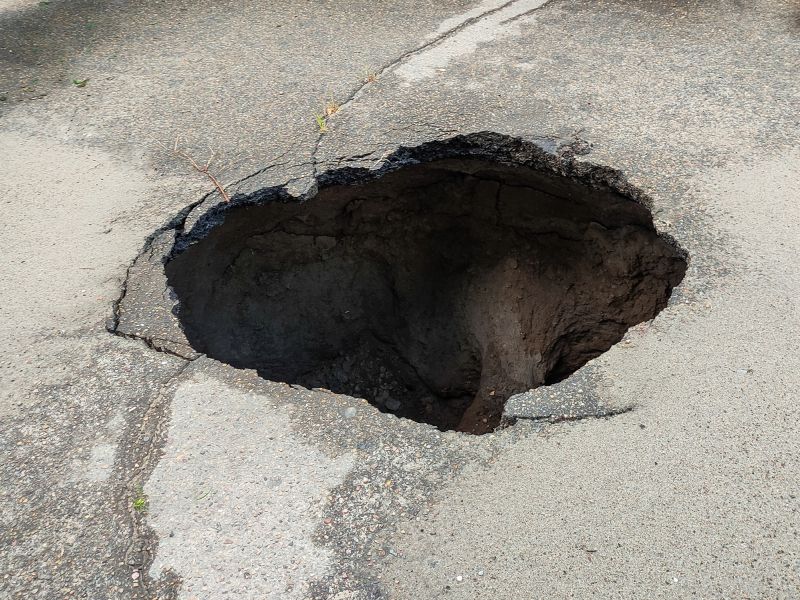
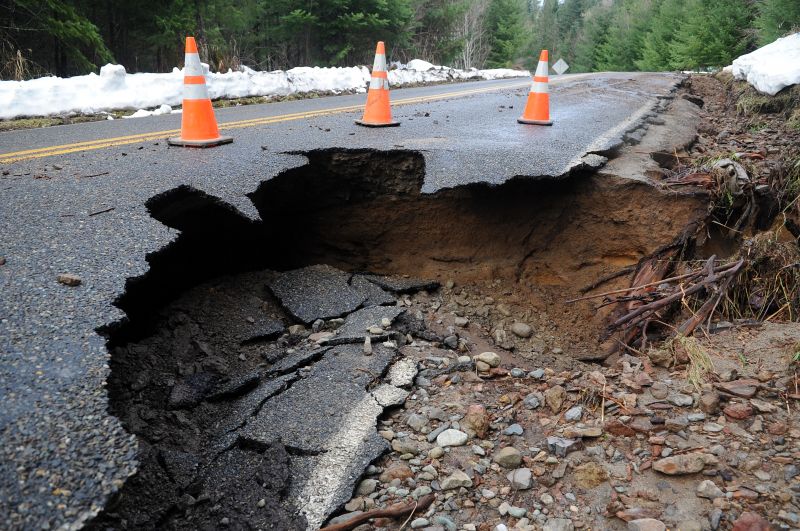
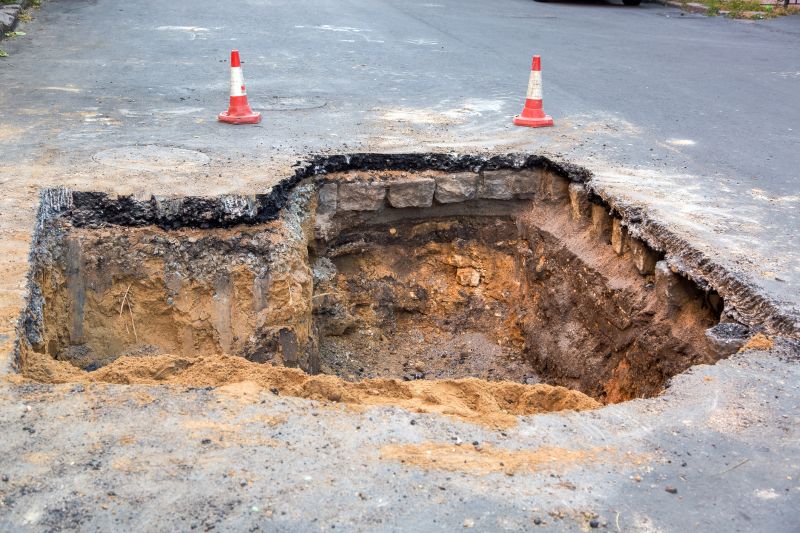
Sinkhole filling services involve the process of repairing and stabilizing ground that has been compromised by the formation of a sinkhole. When a sinkhole develops, it creates a cavity beneath the surface, which can lead to sudden ground collapse and structural damage. Professional service providers use specialized techniques to fill and reinforce the affected area, preventing further subsidence and restoring the stability of the property. This work typically includes assessing the extent of the sinkhole, excavating loose material, and filling the void with suitable materials to ensure a solid and secure surface.
These services help address a range of problems associated with ground instability, such as sudden depressions in the yard, cracks appearing in the foundation or walls, and even the potential for property damage or safety hazards. Sinkholes can develop gradually or suddenly, often caused by natural underground erosion, water drainage issues, or changes in soil conditions. Filling the sinkhole not only stabilizes the ground but also helps prevent future collapses, protecting the structural integrity of the property and reducing the risk of costly repairs.
Properties that typically utilize sinkhole filling services include residential homes, especially those situated in areas prone to ground movement or with underlying limestone or other soluble rock formations. Commercial properties, such as office buildings, retail spaces, or industrial facilities, may also require this work if underground instability threatens their foundations or infrastructure. Rural properties with large yards or land parcels are often candidates for sinkhole repair, particularly if natural underground cavities have formed or been discovered.
Homeowners who notice unusual ground depressions, cracks in the foundation, or shifting terrain should consider consulting with local contractors experienced in sinkhole filling. These professionals can evaluate the property to determine if a sinkhole is present and recommend appropriate repair solutions. Addressing sinkhole issues promptly can help maintain property value, ensure safety, and prevent more extensive damage over time. Connecting with qualified service providers can provide peace of mind that the ground beneath the property is properly stabilized and secure.
The overview below groups typical Sinkhole Filling projects into broad ranges so you can see how smaller, mid-sized, and larger jobs often compare in your area.
In many markets, a large share of routine jobs stays in the lower and middle ranges, while only a smaller percentage of projects moves into the highest bands when the work is more complex or site conditions are harder than average.
Smaller Repairs - for minor sinkhole filling projects, local contractors typically charge between $250 and $600. Many routine jobs fall within this range, covering small to medium-sized issues. Larger or more complex repairs may cost more, depending on site conditions.
Moderate Fillings - medium-sized sinkhole repairs often range from $600 to $1,500. These projects usually involve more extensive filling and stabilization, with many jobs landing in this middle price band. Fewer projects reach the higher end of this range.
Large or Complex Projects - extensive sinkhole repairs can cost between $1,500 and $5,000 or more. These jobs typically require specialized equipment and longer work durations, making them less common but necessary for serious issues.
Full Replacement - complete sinkhole replacement or extensive stabilization can exceed $5,000, depending on the size and complexity. Such projects are less frequent and involve significant excavation and reconstruction efforts by local service providers.
Actual totals will depend on details like access to the work area, the scope of the project, and the materials selected, so use these as general starting points rather than exact figures.
Foundation Repair - foundation repair involves assessing and stabilizing ground conditions, which shares skills with diagnosing and filling sinkholes to prevent further ground collapse.
Soil Stabilization - soil stabilization projects require understanding soil mechanics and applying techniques to strengthen ground, similar to preparing sites for sinkhole filling.
Excavation and Grading - excavation and grading involve earth-moving skills and site planning that are essential when accessing and repairing sinkhole areas.
Drainage System Installation - installing drainage systems helps manage water flow and prevent ground erosion, a common concern in sinkhole-prone locations.
Underground Utility Repairs - repairing underground utilities involves working beneath the surface, often requiring excavation and ground stabilization similar to sinkhole mitigation.
Landscaping and Site Restoration - landscaping projects often involve soil assessment and ground leveling, which are relevant skills for restoring areas after sinkhole filling.
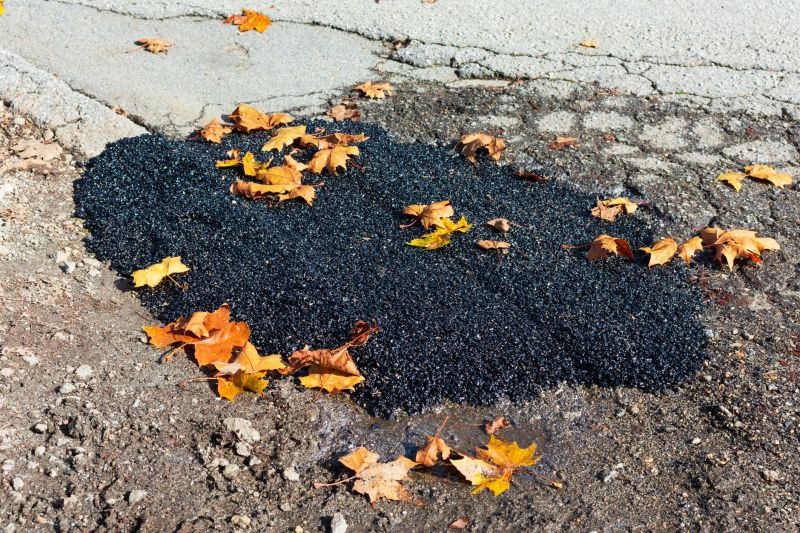
When comparing service providers for sinkhole filling, it’s important to consider their experience with similar projects. Homeowners should look for local contractors who have a history of handling sinkhole repairs in the area, as familiarity with local soil conditions and common challenges can contribute to a smoother process. Asking about past projects can provide insight into their expertise and whether they have successfully completed jobs comparable in scope and complexity. This helps ensure that the chosen professional understands the specific requirements of sinkhole filling and can deliver results that meet expectations.
Clear, written expectations are essential when evaluating potential service providers. Homeowners should seek detailed descriptions of the work scope, including the methods used, materials involved, and the steps involved in the process. Having this information in writing helps prevent misunderstandings and provides a reference point throughout the project. It’s also beneficial to discuss warranties or guarantees offered, so expectations around the durability and quality of the repair are transparent from the outset.
Reputable references and good communication are key indicators of a reliable local contractor. Homeowners can ask service providers for references from previous clients who had similar work done, providing an opportunity to learn about their experiences. Additionally, effective communication-such as prompt responses to questions and clarity in explanations-can make the process more comfortable and less stressful. While the site introduces homeowners to local options, it’s important to remember that the actual work is handled by qualified service providers in the area. Comparing these aspects can help identify professionals who are well-suited to handle sinkhole filling projects with competence and reliability.
Property owners use Sinkhole Filling services for practical projects around their homes and businesses. This guide focuses on everyday jobs and straightforward project options.
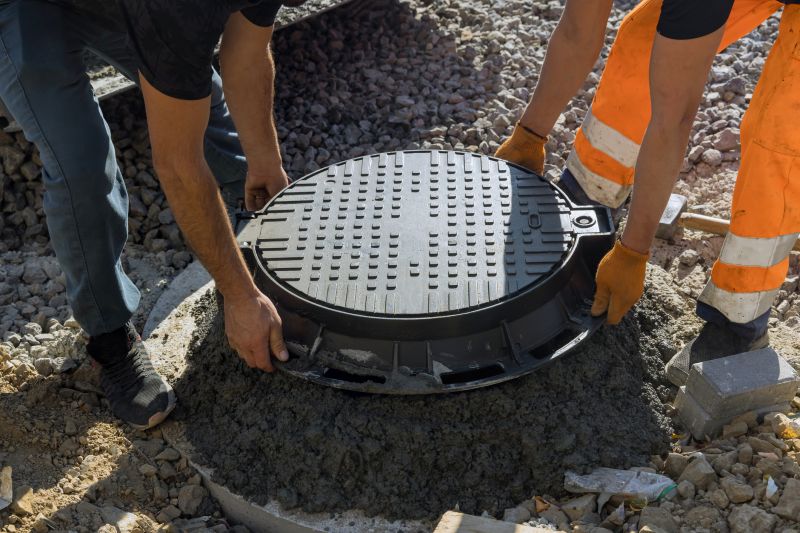
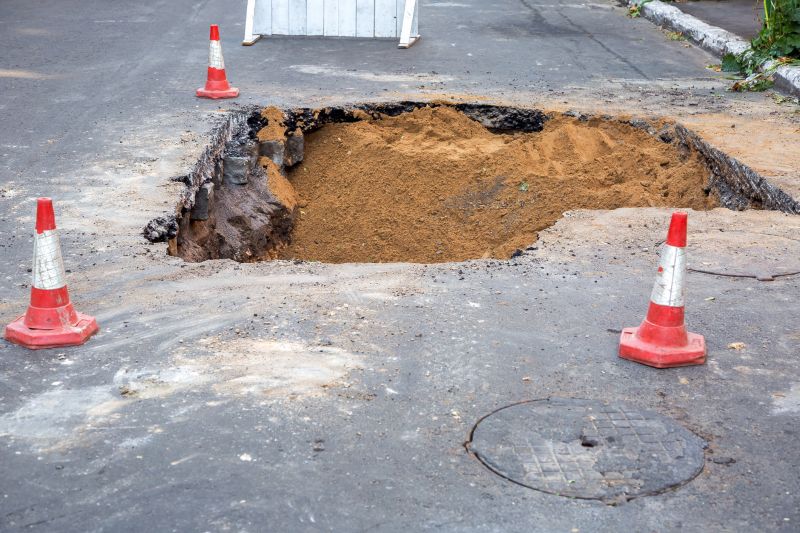
Sinkhole filling services are often needed when ground stability issues start to affect properties. Property owners might notice sudden ground depressions, cracks in the foundation, or uneven terrain that could indicate a developing sinkhole. In these situations, local contractors experienced in sinkhole repair can assess the site and provide solutions to restore safety and stability to the property.
Many property owners seek sinkhole filling when preparing to sell or improve their land. Unstable ground can pose risks for future construction or landscaping projects, prompting property owners to look for professional help to fill and stabilize affected areas. Local service providers can help address these concerns efficiently, ensuring the property remains secure and suitable for its intended use.
What causes a sinkhole to form? Sinkholes can develop due to natural underground erosion, soil collapse, or changes in groundwater levels that weaken the ground beneath a property.
How do local contractors fill sinkholes? Contractors typically stabilize the area by filling the void with suitable materials, such as gravel or specialized soil, and then compacting it to restore ground stability.
Are sinkhole repairs safe for my property? Professional sinkhole filling services aim to restore stability and prevent further collapse, but it's important to have a qualified contractor assess the specific conditions of the site.
What signs indicate the presence of a sinkhole? Signs include sudden ground depressions, cracking in pavement or foundations, door or window misalignments, and unusual ground shifting or settling.
Can sinkholes be prevented? While not all sinkholes can be prevented, proper drainage, soil assessment, and timely repairs of ground issues can reduce the risk of formation.
Assessing Sinkhole Risks - Property owners can have local contractors evaluate their land for signs of potential sinkholes to prevent future damage.
Stabilizing Foundations - Homeowners experiencing foundation shifts can find service providers who offer sinkhole filling to reinforce structural stability.
Repairing Yard Damage - Those noticing ground settling or cracking in their yard can connect with local pros to fill sinkholes and restore landscape integrity.
Preventing Property Damage - Landowners can consult with local contractors to address existing sinkholes and reduce the risk of further subsidence.
If you are thinking about Sinkhole Filling for a property, this guide is meant to help you understand the work, the typical project types, and how different options might fit your plans.
When you are ready, you can use the quote form on this page to share a few details about your project. From there, local pros can review the basics and respond with options that match what you have in mind.